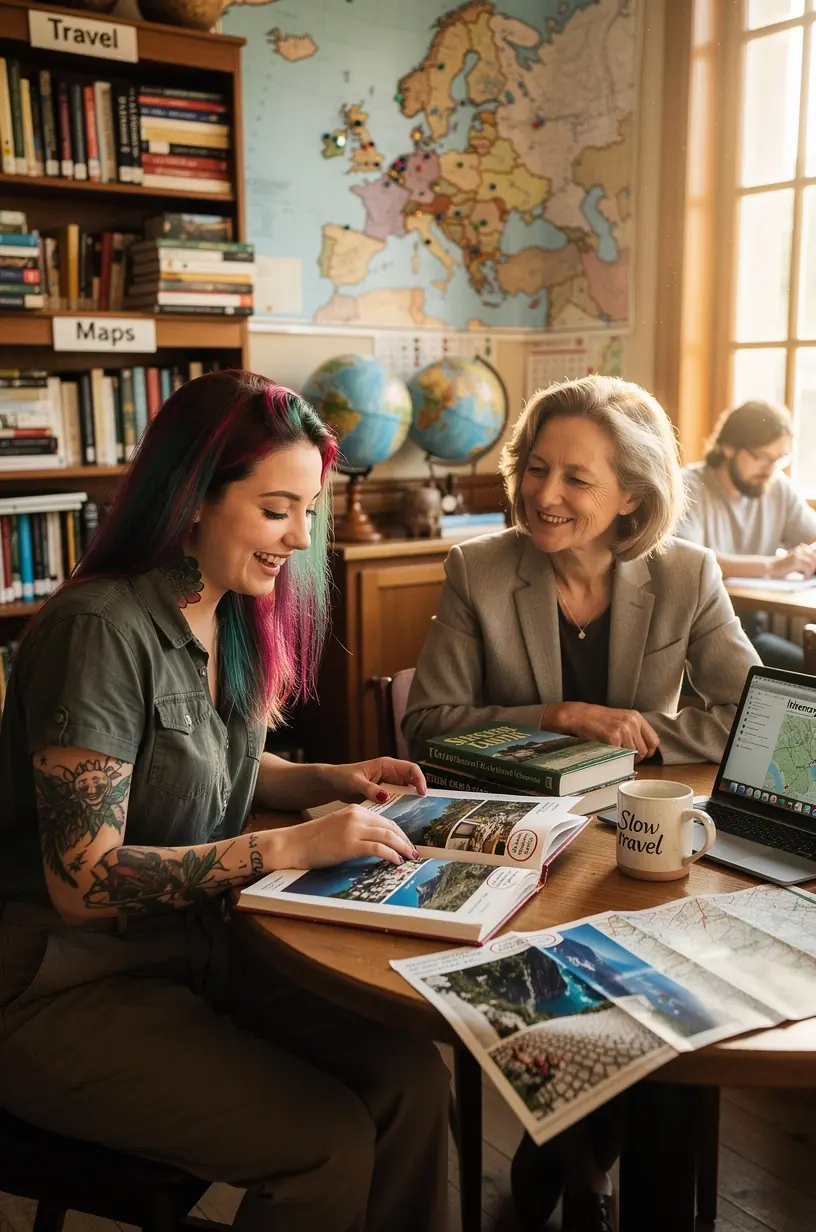
Understanding the Concept of Slow Travel
In recent years, the travel industry has seen a shift towards slow travel, a philosophy that encourages deeper engagement with destinations over quick excursions. This article explores the essence of slow travel, its benefits, and why it may be a suitable choice for travelers seeking a more enriching experience.
What is Slow Travel?
Slow travel is more than just a leisurely pace; it emphasizes experiencing places authentically rather than rushing through them. According to experts, this approach often involves longer stays in fewer locations, allowing travelers to immerse themselves in local culture, cuisine, and community.
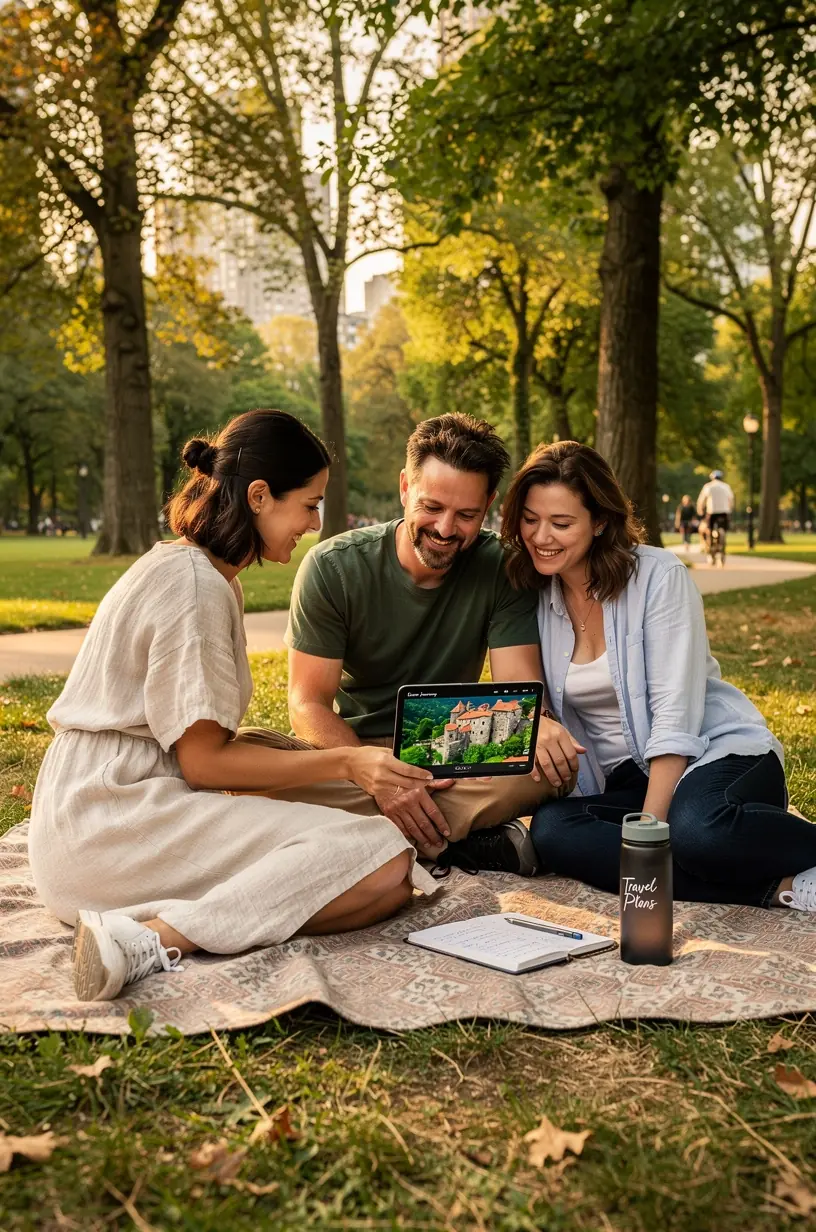
"Travel should not be about checking off destinations, but about experiencing the journey and the people along the way." - Travel Expert
The Benefits of Slow Travel
Many travelers report significant benefits associated with slow travel, including:
- Deeper Connections: Spending more time in one place allows for interactions with locals, fostering genuine relationships and memories.
- Reduced Stress: A slower pace often results in less travel-related anxiety, as it provides ample time for relaxation and exploration.
- Environmental Impact: Slow travel tends to involve fewer long-distance trips, aligning with sustainable travel practices that are increasingly valued in today’s world.
How to Embrace Slow Travel
Transitioning to a slow travel mindset typically requires a shift in planning and expectations. Here are some practical steps to consider:
- Choose Your Destination Wisely: Opt for locations that intrigue you and offer various experiences, rather than those simply on a tourist list.
- Plan for Longer Stays: Instead of a week-long vacation, consider spending a month in a single city or region.
- Engage with the Local Culture: Participate in community events, cooking classes, or guided tours that prioritize immersive experiences.
Challenges and Considerations
While the slow travel approach can provide enriching experiences, it is important to acknowledge some challenges:
- Slow travel typically requires a longer time commitment, which may not be feasible for everyone.
- It may involve higher upfront costs, as longer stays in accommodations can often be pricier.
- This approach works best when travelers are open to flexibility and spontaneity in their itineraries.
Conclusion
Slow travel offers a refreshing alternative to the fast-paced, checklist approach commonly associated with travel. By prioritizing genuine experiences and deeper connections, travelers can foster a more fulfilling journey. As you consider your next adventure, remember that the journey is just as important as the destination, and embracing a slower pace may lead to memories that last a lifetime.