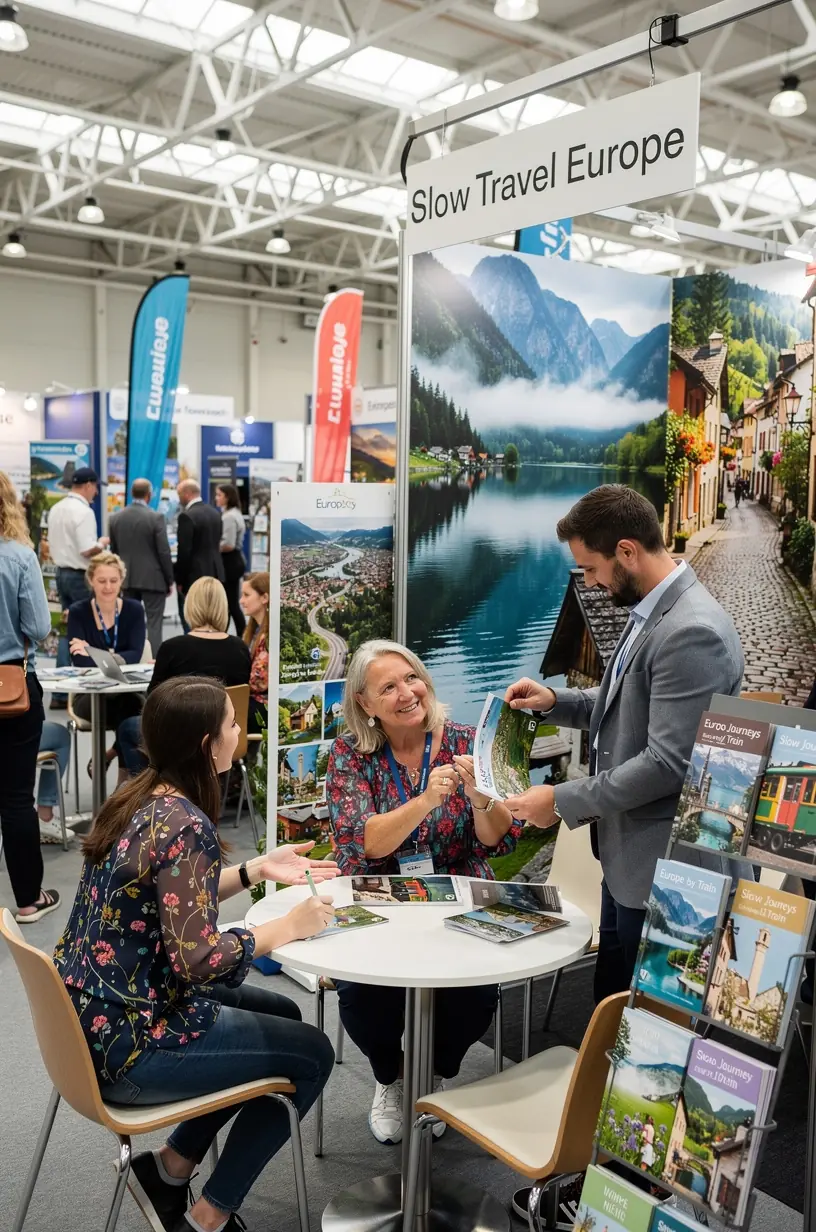
Exploring Long-Stay Itineraries in Europe
Long-stay travel in Europe offers a unique opportunity to immerse yourself in local cultures, experience slower-paced living, and explore beyond the typical tourist routes. This article provides insights into how to plan effective long-stay itineraries that cater to low-stimulation travel experiences.
Understanding Long-Stay Travel
Long-stay travel, often defined as stays of a month or more, allows travelers to delve deeper into their chosen destinations. According to research conducted by the European Travel Commission, travelers who opt for extended stays often report a greater sense of connection to the places they visit, resulting in a more fulfilling experience.

"Traveling slowly allows for deeper cultural engagement and a more authentic understanding of local life."
Benefits of Long-Stay Itineraries
Many users report several advantages to long-stay itineraries:
- Cultural Immersion: Extended stays often lead to authentic interactions with locals, enabling travelers to learn about traditions and daily life.
- Cost Efficiency: Research indicates that longer stays can lead to reduced accommodation costs, especially when renting homes or apartments.
- Flexible Itinerary: A longer duration allows for a more adaptable travel schedule, accommodating spontaneous adventures and leisurely exploration.
Planning Your Long-Stay Itinerary
Creating a long-stay itinerary involves careful planning and consideration of several key factors:
- Selecting Your Destination: It’s essential to choose a location that resonates with your interests, whether that be historical cities, coastal towns, or rural retreats. Research suggests that destinations with diverse activities tend to enhance the experience.
- Choosing Accommodation: Opt for accommodations that provide home-like amenities. Many travelers find that renting apartments or staying in local guesthouses can enhance comfort and provide a more authentic experience.
- Crafting a Balanced Schedule: Experts recommend balancing daily activities with downtime. This approach helps prevent burnout and offers time for reflection and relaxation, which are key components of low-stimulation travel.
Challenges and Considerations
While the benefits of long-stay travel are significant, certain challenges should be acknowledged:
- Time Commitment: Long-stay travel typically requires a commitment of at least 4-6 weeks, which may not be feasible for everyone.
- Preparation: Planning a long stay involves logistical considerations, such as visas, insurance, and local regulations, which can be time-consuming.
- Adaptation Period: Some travelers may experience a learning curve as they adapt to new cultures and lifestyles, requiring patience and an open mindset.
Conclusion
Exploring long-stay itineraries in Europe can lead to enriching travel experiences that go beyond the surface. By understanding the benefits and challenges associated with slow travel, you can create a meaningful journey that aligns with your interests and needs. Remember, the key to a successful long stay lies in thoughtful planning, a willingness to adapt, and a genuine desire to engage with the world around you.