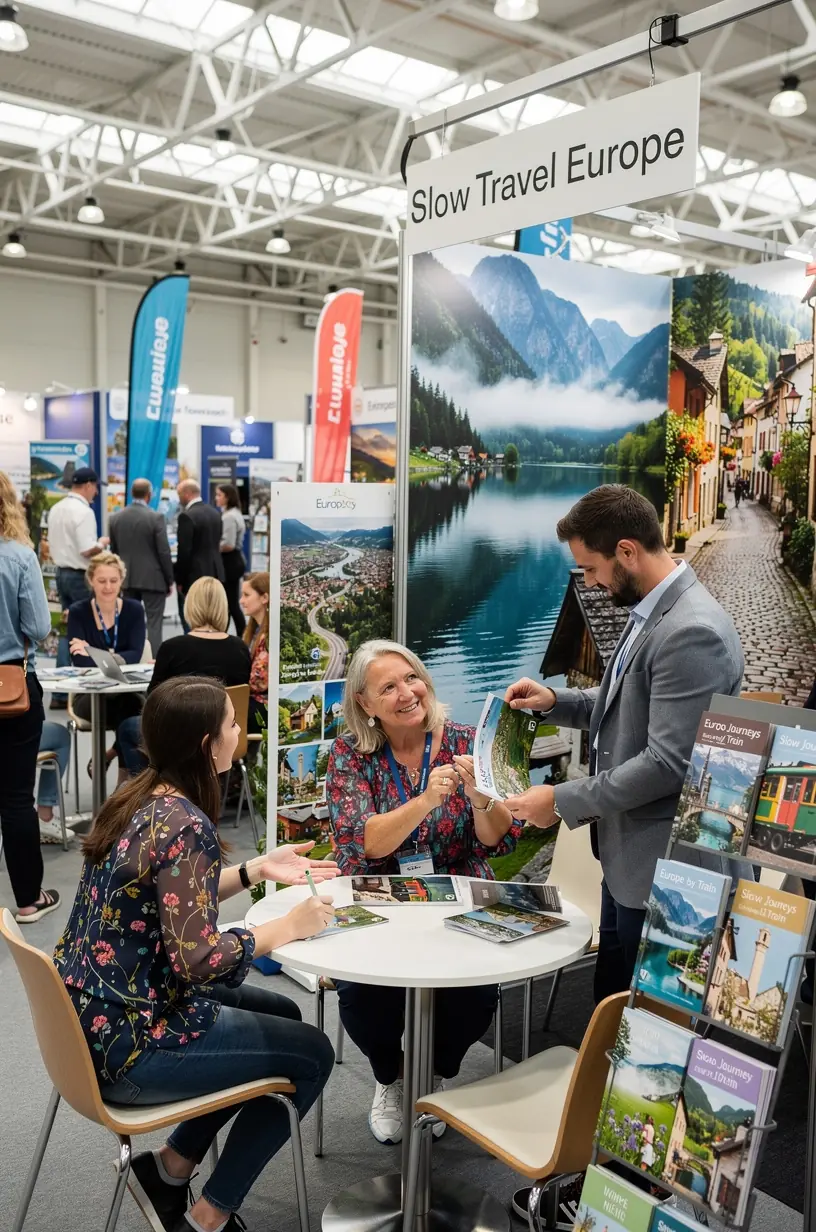
The Benefits of Low-Stimulation Travel Environments
Travel is often associated with excitement and new experiences, but for many, a slower, more mindful approach can be more beneficial. This article explores the advantages of low-stimulation travel environments, particularly in Europe, where the beauty of culture and landscape can be enjoyed at a more relaxed pace.
Understanding Low-Stimulation Travel
Low-stimulation travel refers to experiences that minimize overwhelming sensory inputs, allowing travelers to engage more deeply with their surroundings. According to a study published in the Journal of Tourism Research, environments with reduced noise, fewer crowds, and a slower pace can enhance relaxation and improve overall well-being.

"Traveling in a low-stimulation environment can significantly lower stress levels, allowing for deeper emotional and mental engagement."
Benefits of Choosing a Low-Stimulation Approach
Many travelers report various benefits from low-stimulation travel. Here are some key advantages:
- Enhanced Relaxation: Environments that are less chaotic can help individuals unwind, resulting in decreased cortisol levels—an indicator of stress. Research indicates that spending time in serene settings can promote relaxation, making it easier to recharge mentally and physically.
- Improved Connection: When distractions are minimized, travelers often find it easier to connect with their destinations. A slower pace allows for meaningful interactions with locals, fostering a deeper understanding of the culture.
- Greater Mindfulness: Low-stimulation environments cultivate mindfulness, allowing travelers to immerse themselves in their experiences. According to experts in psychology, mindfulness practices can lead to better emotional regulation and improved mental clarity.
Making the Most of Your Low-Stimulation Journey
To fully benefit from low-stimulation travel, consider the following tips:
- Choose Your Destination Wisely: Select locations known for their tranquil settings, such as rural villages or serene natural landscapes. Researching less touristy areas in Europe can yield wonderful experiences.
- Plan for Longer Stays: Taking the time to linger in one place can enhance your experience. Experts recommend stays of at least a week to allow for deeper exploration and relaxation.
- Limit Your Itinerary: Avoid the temptation to over-schedule. Instead, focus on one or two activities per day, allowing plenty of time for rest and spontaneous exploration.
Potential Challenges
While low-stimulation travel offers numerous benefits, it’s essential to acknowledge that it may not suit everyone. Some travelers thrive on bustling atmospheres and a packed itinerary. Additionally, this approach typically requires a mindset shift, as it often takes time to adjust to a slower pace. For those used to fast-paced travel, transitioning may involve a learning curve.
Conclusion
Low-stimulation travel environments can provide many advantages, including enhanced relaxation, improved connections, and greater mindfulness. By choosing the right destinations and planning for longer stays, travelers can cultivate enriching experiences that prioritize well-being over busyness. Ultimately, understanding the nuances of low-stimulation travel can open up a new world of exploration that emphasizes quality over quantity, creating lasting memories along the way.