Exploring Sustainable Practices in Slow Travel
As travelers become more aware of their environmental impact, slow travel agencies are offering innovative solutions that prioritize sustainability while allowing for enriching experiences. This article delves into the sustainable practices being implemented in slow travel across Europe.
Understanding the Concept of Slow Travel
Slow travel is not just a buzzword; it represents a conscious choice to prioritize meaningful experiences over speed and efficiency. According to industry experts, this travel philosophy encourages individuals to immerse themselves in local cultures, often leading to a greater appreciation for the destinations visited.
"Slow travel emphasizes the journey over the destination, allowing travelers to connect more deeply with the places they visit."
Sustainable Practices in Slow Travel
Many slow travel agencies are now adopting sustainable practices that align with this philosophy. Here are some of the key approaches:
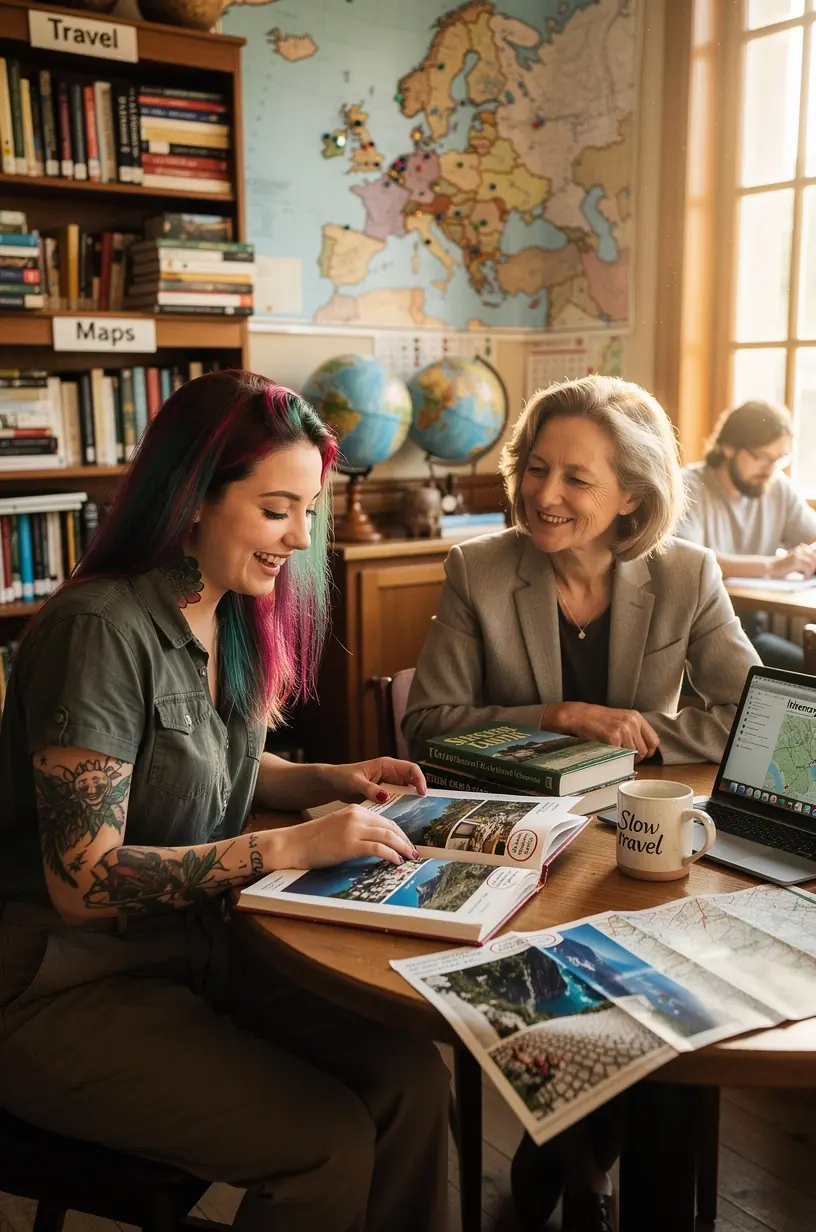
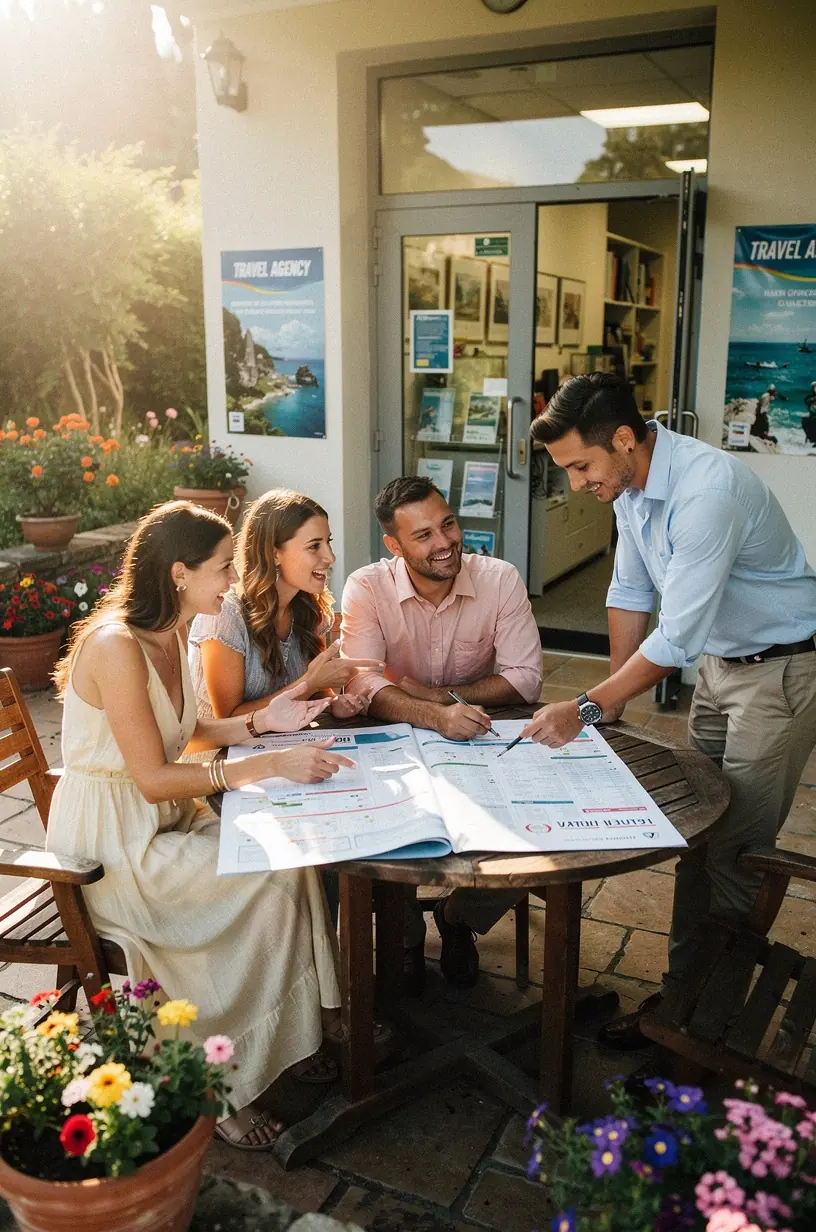
- In-Person Planning: Agencies typically offer personalized itinerary planning, ensuring that travel choices reflect the values of sustainability. This approach often involves using local resources and services, which supports the local economy.
- Long-Stay Itineraries: By encouraging travelers to stay longer in one location, slow travel reduces the carbon footprint associated with frequent travel. Research suggests that longer stays allow for a deeper connection with the local community and environment.
- Low-Stimulation Experiences: Agencies often create itineraries that focus on nature and cultural heritage, providing a tranquil travel experience. Studies show that low-stimulation environments can positively affect mental health, making relaxation a priority.
Challenges and Limitations
While there are many benefits to slow travel, it is essential to acknowledge the challenges involved:
- Planning a sustainable trip typically requires more time than traditional travel planning. Travelers may need to invest 2-4 weeks in advance to ensure all aspects are aligned with their values.
- Finding accommodations and services that meet sustainability criteria can be challenging, especially in less developed areas.
- Travelers must also be prepared to adapt to a slower pace, which may not suit everyone's preferences. In some cases, this approach may not be ideal for those seeking a fast-paced vacation.
Conclusion
As travelers increasingly seek to minimize their impact on the environment, slow travel agencies are stepping up to offer solutions that prioritize sustainability. By focusing on in-person planning, long-stay itineraries, and creating low-stimulation experiences, these agencies are helping to reshape how we explore Europe. Embracing slow travel not only offers the chance for meaningful connections but also supports local communities and ecosystems. For those ready to invest the time and effort, the rewards can be profound.