
Creating Meaningful Connections Through Travel Experiences
Traveling is not just about visiting new places; it's about forging connections that can last a lifetime. In an era where fast travel often overshadows the experience, slow travel agencies focus on personalized planning, long-stay itineraries, and low-stimulation travel experiences. By understanding how these approaches foster meaningful connections, travelers can embark on journeys that resonate deeply on a personal level.
Understanding the Basics of Slow Travel
Slow travel emphasizes quality over quantity, allowing travelers to immerse themselves in local cultures and environments. According to research by the Travel Institute, many travelers report feeling more fulfilled when they take time to explore a destination thoroughly. This method not only enriches their experiences but also promotes a deeper understanding of the areas they visit.
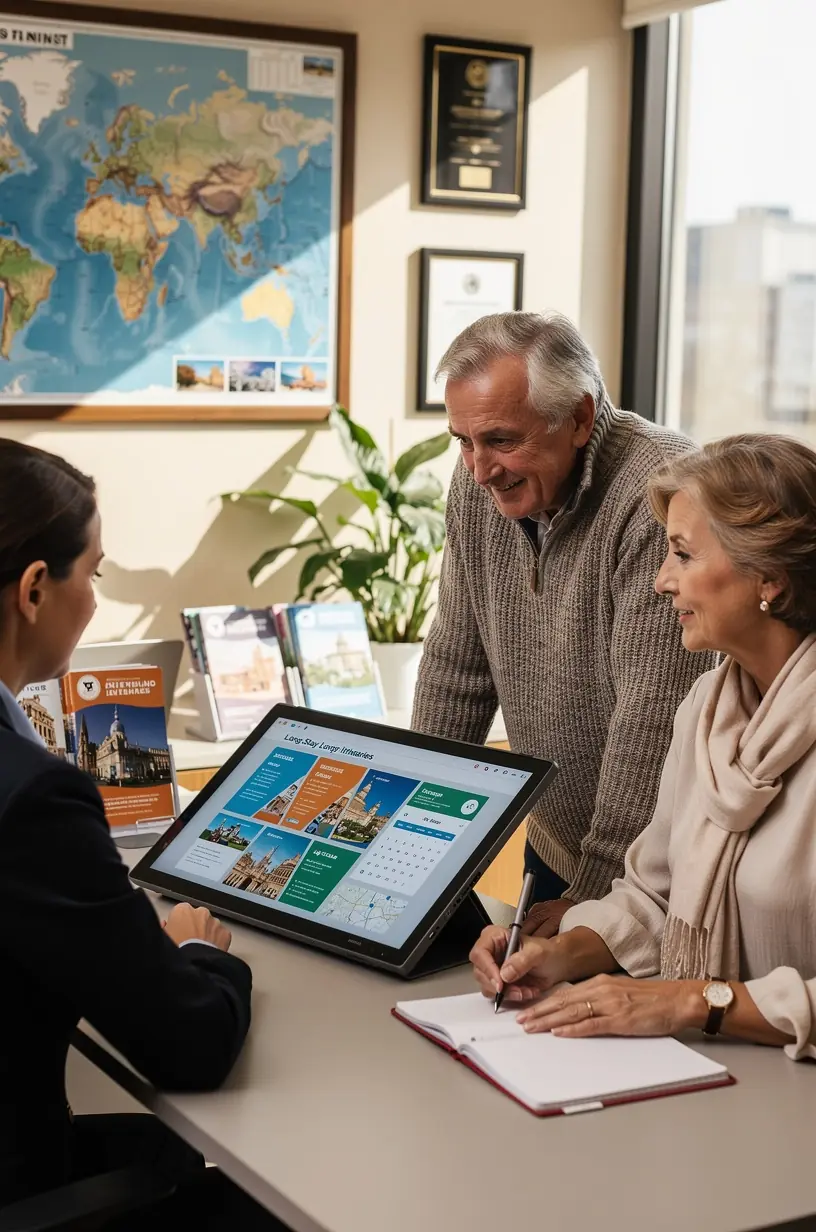
"Slow travel is about creating lasting memories through immersive experiences rather than ticking off destinations from a checklist."
How Slow Travel Facilitates Connections
By engaging in slow travel, individuals can create connections on multiple levels:
- Community Engagement: Participating in local events or workshops fosters a sense of belonging. Studies show that travelers who engage with local communities are often more satisfied with their experiences.
- Meaningful Interactions: Spending extended periods in one location allows for deeper conversations with locals. This can lead to friendships that transcend borders, with many users reporting lasting relationships formed during their travels.
- Cultural Understanding: Immersing oneself in a culture helps in appreciating its nuances. Experts recommend that engaging with local customs and traditions can enhance empathy and understanding, which are essential components of meaningful connections.
Practical Steps for Meaningful Travel Experiences
To create meaningful connections during your travels, consider the following practical steps:
- Choose a Framework: Select a slow travel agency that specializes in long-stay itineraries. This can typically take 2-4 weeks to plan, allowing for a tailored experience that suits your interests.
- Stay Local: Opt for accommodations that promote local culture, such as guesthouses or homestays. This not only supports the local economy but also enhances opportunities for interactions with residents.
- Participate Actively: Attend local cooking classes or cultural workshops. Research indicates that engaging in such activities can significantly enhance your connection to the place and its people.
Acknowledge the Limitations of Slow Travel
While slow travel can be enriching, it's essential to recognize the limitations involved:
- Requires a time commitment: Planning and executing a slow travel itinerary typically requires several weeks, and results may vary depending on your level of engagement.
- Involves a learning curve: Adapting to new cultures and ways of life can be challenging. It's important to approach this with an open mind and willingness to learn.
- Not suitable for everyone: If you prefer fast-paced itineraries and constant movement, slow travel may not align with your travel style.
Conclusion: The Value of Meaningful Connections
Creating meaningful connections through travel is a rewarding endeavor that requires intention and effort. By prioritizing slow travel and engaging deeply with the cultures and communities you encounter, you can cultivate experiences that resonate well beyond the journey itself. As you plan your next trip across Europe, consider the value of a slower, more intentional approach, and the lasting connections that can emerge from it.
Discover More